

Black History Month serves as a profound reminder of the significant contributions Black and African American individuals have made to healthcare. Their groundbreaking work has not only advanced medical science but also paved the way for future generations in the health field. This post celebrates these pioneers whose resilience and brilliance have left an indelible mark on healthcare.
Trailblazers in Medicine
Dr. Rebecca Lee Crumpler
Dr. Rebecca Lee Crumpler broke significant barriers in the medical field as the first African American woman to earn a medical degree in the United States. Graduating from New England Female Medical College in 1864, she dedicated her career to treating the poor and formerly enslaved people who otherwise would not have access to medical care. Crumpler’s work extended beyond clinical practice; she also authored “A Book of Medical Discourses” in 1883, focusing on maternal and child health, which was one of the earliest medical publications by an African American.

Dr. James McCune Smith
Dr. James McCune Smith was not only the first African American to earn a medical degree, but he also achieved this feat at the University of Glasgow in Scotland after being denied admission to American colleges due to racial discrimination. Upon his return to the United States, Smith became a leading physician in New York City, where he served both black and white patients. He was a prominent abolitionist, intellectual, and advocate for education, using his medical knowledge to challenge racial myths prevalent in the medical community of his time.
Dr. Charles Richard Drew
Dr. Charles Richard Drew’s pioneering research in blood preservation and transfusion revolutionized emergency medicine and military medical care, particularly during World War II. His development of the blood bank concept, along with techniques for processing and storing plasma, has saved countless lives. Despite facing racial discrimination, Drew’s work laid the foundation for modern blood donation and storage systems. He also fought against racial segregation in blood donation practices, advocating for the scientific view that blood is universal regardless of race.
Innovators and Educators
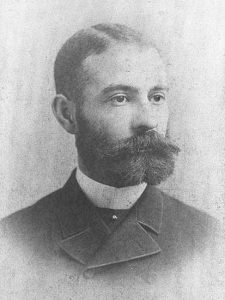
Dr. Daniel Hale Williams
Dr. Daniel Hale Williams is celebrated for performing one of the first successful open-heart surgeries in 1893 without the benefits of modern surgical amenities. He founded Provident Hospital in Chicago, the first non-segregated hospital in the United States, which also served as a training school for Black nurses. His commitment to medical education and surgical excellence made significant impacts on reducing postoperative mortality and advancing racial integration in healthcare.
Dr. William A. Hinton
Dr. William A. Hinton, a Harvard Medical School graduate, dedicated his career to the study and treatment of syphilis. He developed the Hinton test, a more discreet and accurate diagnostic test for the disease, which was adopted by the U.S. Public Health Service. Hinton was also the first African American to publish a textbook, “Syphilis and Its Treatment,” in 1936. His work in public health significantly advanced the understanding and treatment of sexually transmitted infections.
Breaking Boundaries Beyond Medicine
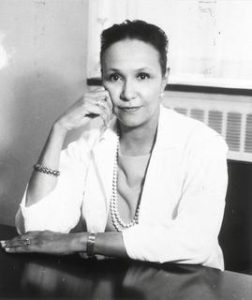
Dr. Jane Cooke Wright
Dr. Jane Cooke Wright’s pioneering work in chemotherapy marked a turning point in cancer treatment. She was part of the team that developed the technique of using human tissue culture rather than laboratory mice to test the effects of potential drugs on cancer cells. Wright’s research led to the development and refinement of several chemotherapy drugs, significantly improving survival rates for various cancers. She was a founding member of the American Society of Clinical Oncology and the first woman elected president of the New York Cancer Society.
Albert W. Dent
Albert W. Dent made groundbreaking strides in healthcare administration as one of the first African Americans to lead a hospital. As the president of Dillard University, he significantly expanded the Flint-Goodridge Hospital, making it a vital healthcare provider for the African American community in New Orleans. Dent’s leadership in hospital administration and education helped pave the way for future generations of African American healthcare leaders.
Legacy and Continuing Impact
As Black History Month draws to a close, we reflect on the profound contributions of Black and African American pioneers in healthcare, whose work continues to influence medical practices and healthcare equity today. These pioneers have not only made significant advancements in medical science but have also played a pivotal role in promoting healthcare equality, ensuring that all communities have access to comprehensive healthcare services.
One figure who stands out in this legacy is Henrietta Lacks, whose unknowing contribution changed the course of biomedical research forever. Lacks’s HeLa cells, the first immortal human cell line, have been instrumental in numerous medical advancements, including the development of the polio vaccine, advancements in cancer treatment, and even recent COVID-19 research. Her story underscores the importance of ethical considerations in medical research and highlights the critical need for diversity and representation in healthcare.
Organizations like the California Black Health Network (CBHN) and Diverse Research Now (DRN) are building on this legacy by advocating for health equity and diversity in clinical trials. Their efforts, along with those like the National Institutes of Health’s All of Us Program, aim to ensure that medical research reflects the diversity of the population it serves, thereby improving health outcomes for all.
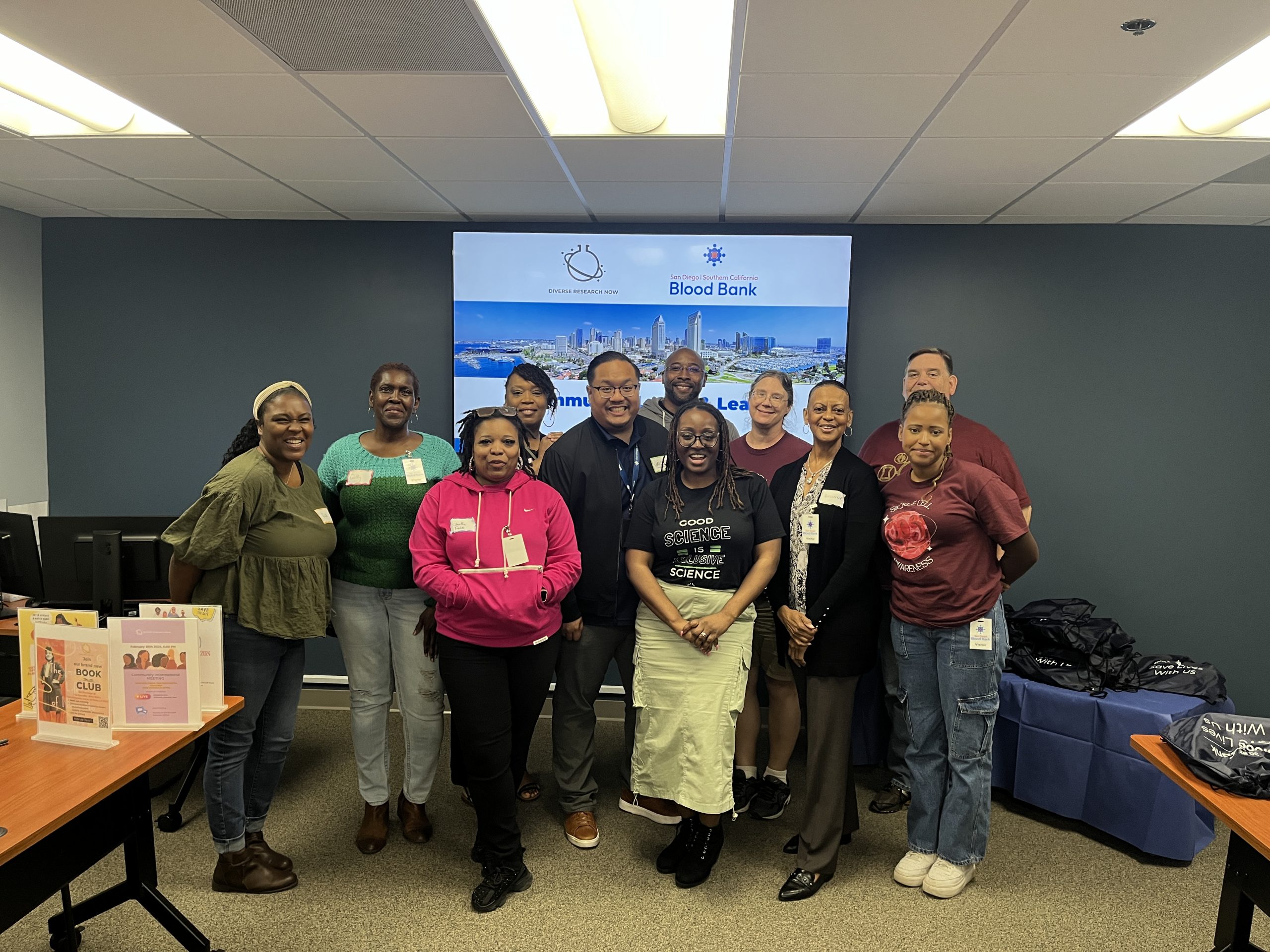
In this spirit of innovation and equity, our recent Community Lunch & Learn event, co-hosted with DRN, emphasized the significance of diversity in both blood donation and medical research. This event also spotlighted San Diego Blood Bank’s Precision Blood initiative, which leverages next-generation sequencing to enhance blood matching techniques, offering a more personalized approach to transfusion medicine. Precision Blood is a testament to our ongoing commitment to harnessing advanced technologies to improve patient care—reflecting the pioneering spirit of those we honor during Black History Month.
As we continue beyond February, let us keep the momentum of learning from and celebrating the achievements of Black and African American healthcare pioneers. By engaging with organizations like CBHN and DRN, and supporting initiatives like Precision Blood and All of Us, we pay homage to the legacies of individuals like Henrietta Lacks and move closer to achieving a future where healthcare is equitable and personalized for everyone.